Text by – Texte de – Metin – Hasan Harmancı 03.10.2023 – Bodrum
The Burden of Time
Le Fardeau du Temps
Zamanın Yükü
The most significant feature of communities that sustain their lives through the sound and light of ancient shadows is their ability to carry the burden of time. They are like worshippers and supplicants, chasing a perception of time that seems never to have passed. Two key doors to Alevi wisdom are timelessness and placelessness (lamekân).
Besides repeating the community’s sense of belonging, supplication (niyaz) is the act of carrying values from the past to the present, like a time machine, drawing energy and consciousness of existence from it. This is, in fact, a return to the existential moment, to the trial of nothingness, to the original moment of existence.
The path of the saints led by Hace Bektaş Veli, when viewed from Anatolia, journeys uninterruptedly from Mesopotamia towards the depths of Asia. The Alevi community is among those that loudly declare their lack of land to all. They are a people who, while loving to cling tightly to their geography, do not live as masters of Truth. Instead, they believe that there is no court greater than Truth itself. Therefore, to distance themselves perfectly from the ego in belief and culture, and to become perfect, they elevate their inner voices through supplications. This is because the gateway to holding on to placelessness, timelessness, and Truth is supplication. For this reason, to supplicate to the lands where the thoughts of Hace Bektaş Veli became institutionalized as belief and philosophy is to be adorned with that Existence, that nothingness.
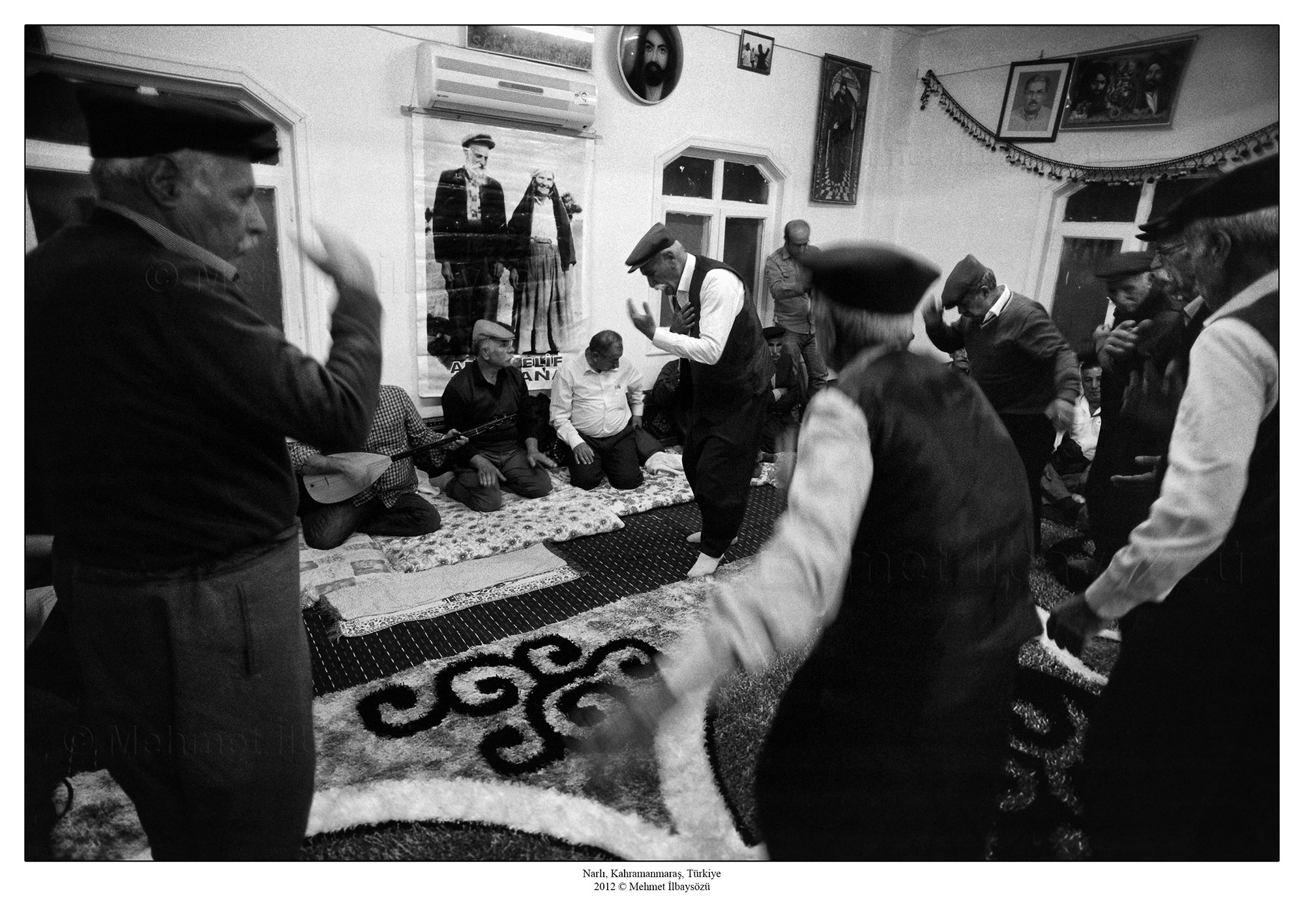
If women are absent from that Existence, the universe cannot turn in semah (a sacred Alevi dance). Since it will not and cannot be, when semah flows from the hearts, people run towards genderlessness—not within the opposition of male and female like Yin and Yang, but through a nakedness without veils, feeling that God has manifested in humans.
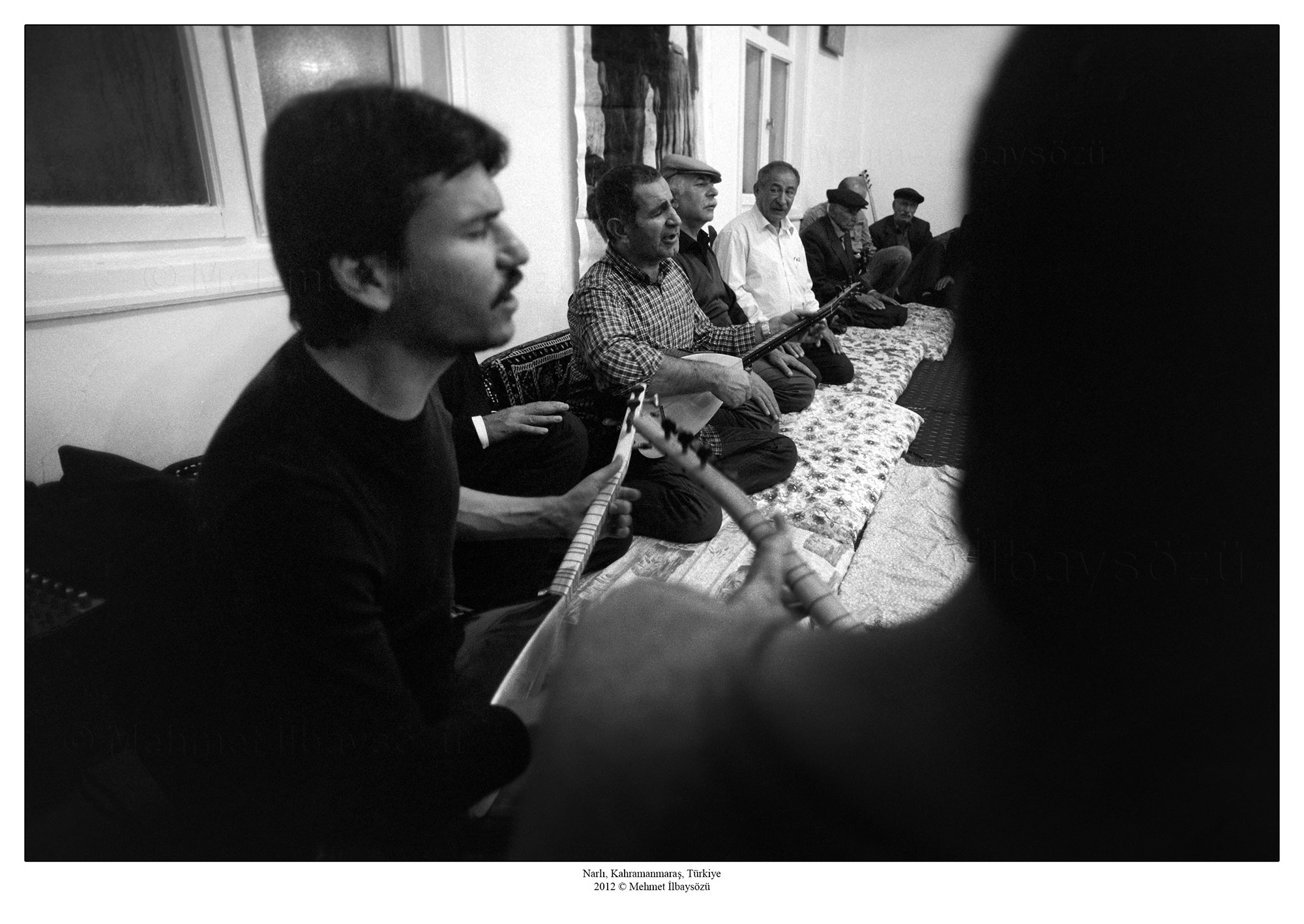
The heart’s journey, therefore, in rituals touches the string of the bağlama (a traditional stringed instrument) like a river flowing from ancient times. The melody may change, but the scale of the bağlama remains the same. That constancy is not a rigid rule but a principle of life, a belief that its adoption is one with the laws and judgment of the universe. To be one is to see, within the heart, that the essence of all beings, both animate and inanimate, is the same and unified. The heart is completed, returns to its origin, when it embraces the human being in the unity of semah and the bağlama. Therefore:
“The whole universe turns in semah,
Suns burn with love,
The skill lies in reaching the essence.”
(Aşık Hüdai 1940–2001)
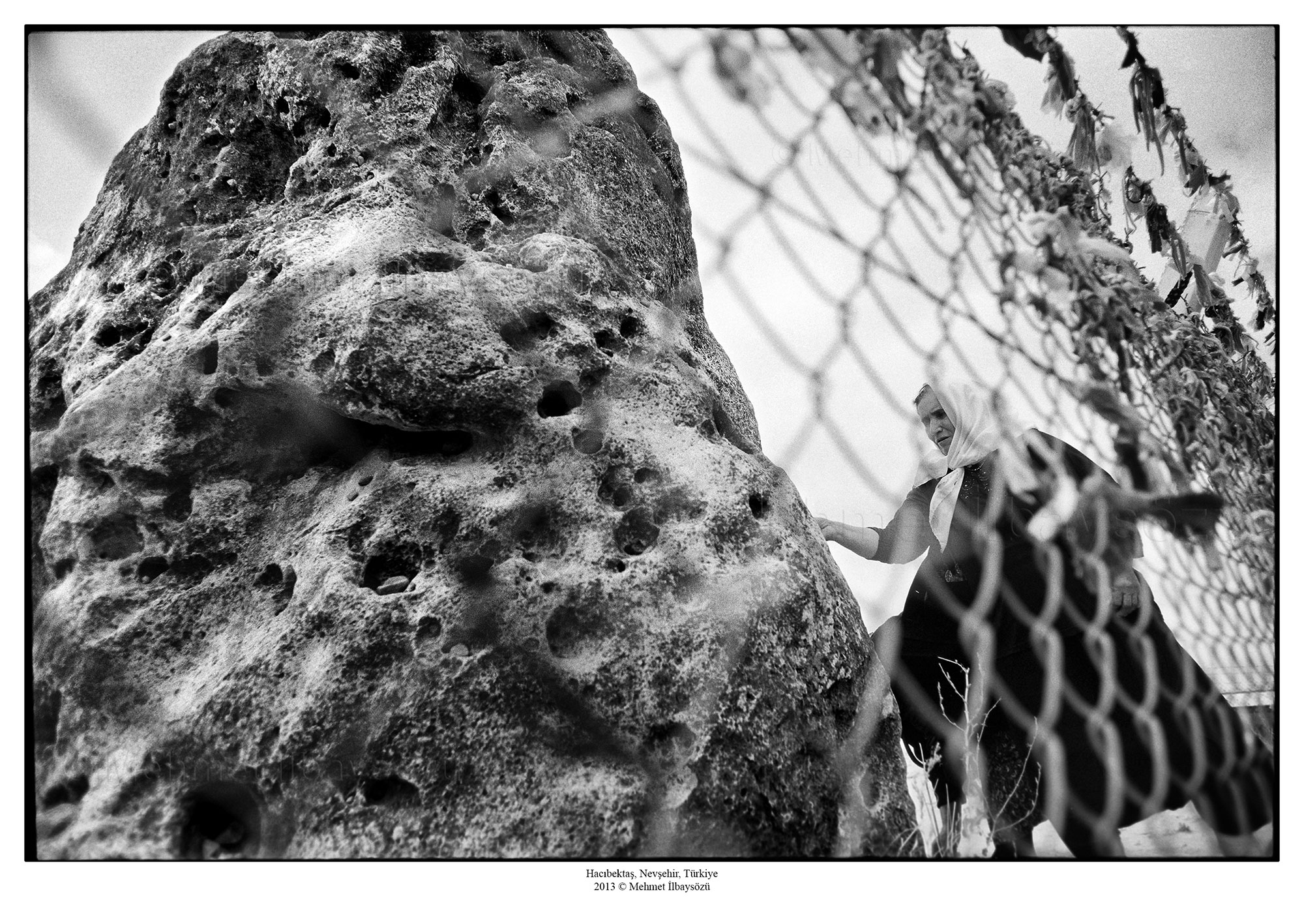
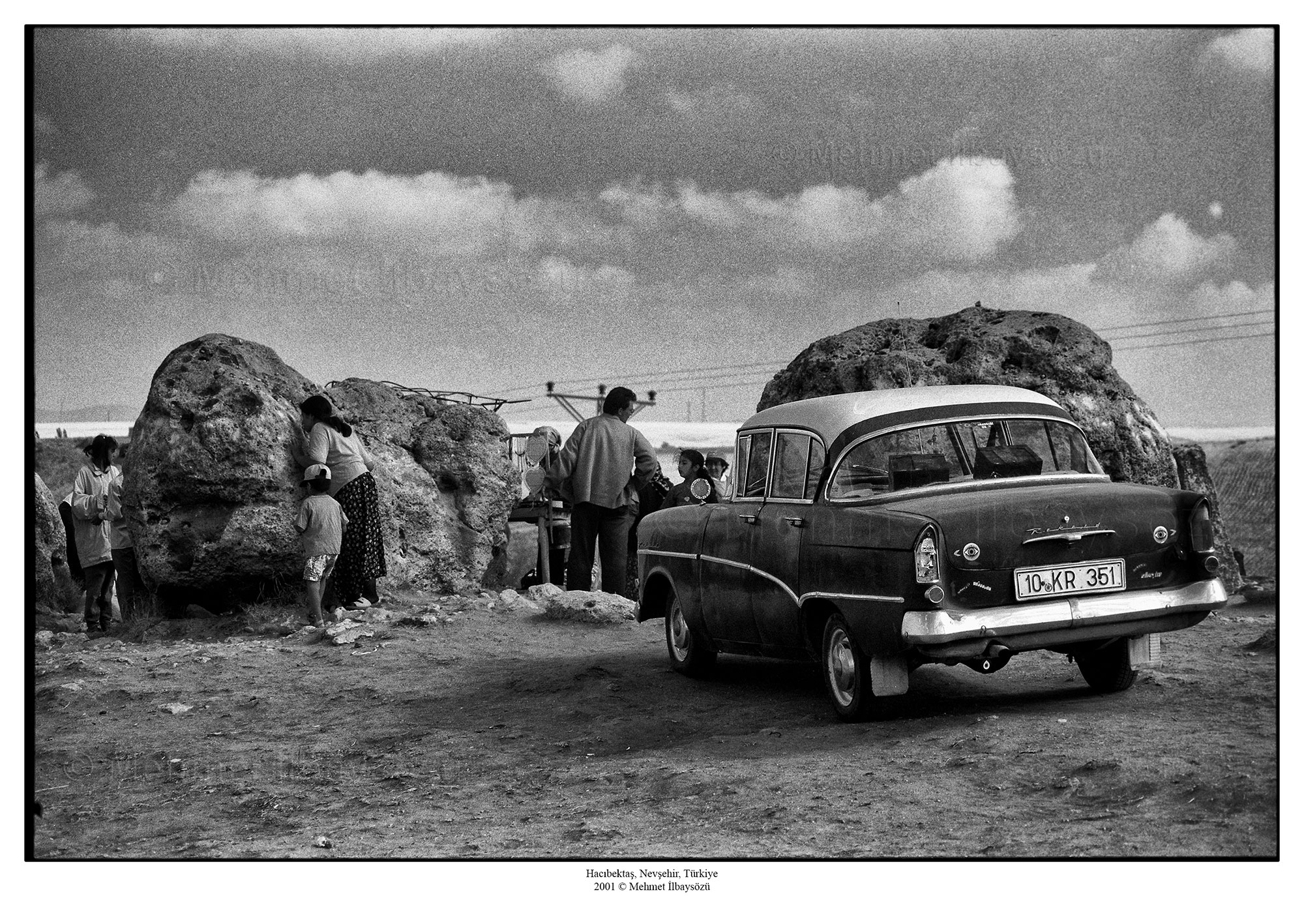
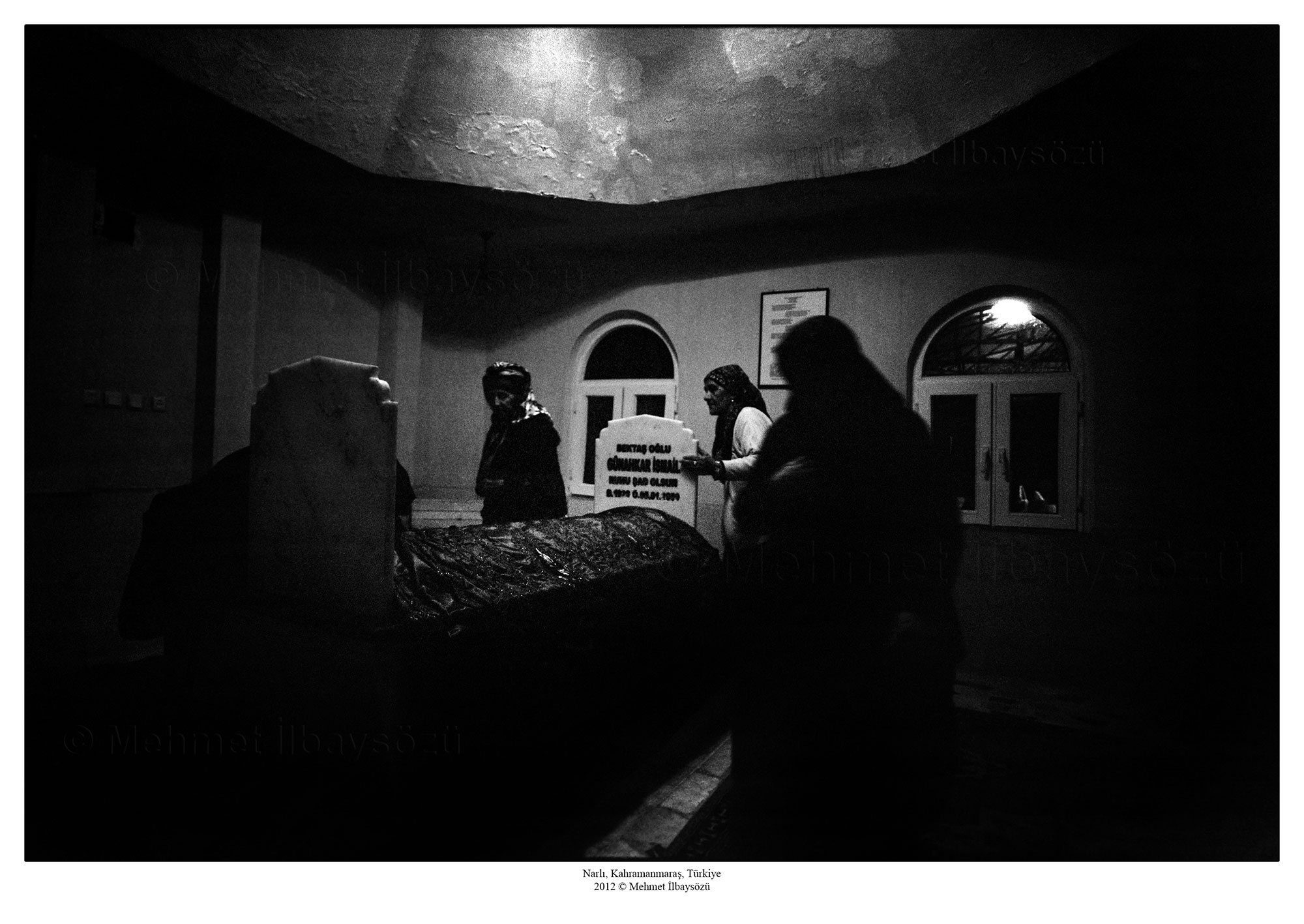
The “moving of the rock”, with the touch and miracle of Hace Bektaş Veli, might astonish people, but reviving the ancient in thought is a product of such astonishment, such a primary feeling of existence. This thought and feeling are not about believing in superstition or reality but about the hope and joy of overcoming the conditions that grant life to humanity by embracing the knowledge of Truth. The secret of humanity is that the supplication, delicately and lovingly offered with hands to the rock—just like in the photograph—awakens those sacred lights (çerağ). It is not about “holding on to the hem” but about holding on to the hem of the heart, opening to the ancient wisdom and ocean within the human grandeur.
A person must run to their guide with knowledge beyond creation to know themselves. This guide could be another person, an inanimate being, or a tezene (pick) that strikes the heart’s string. What matters is that, through this journey, a person completes their own cycle. Life is a complete transformation, and humans are the seeing eyes, the hearing ears, and the speaking tongues of that transformation. In communities like the Alevis, these totalities are consciousness and knowledge. Knowledge among the Alevis is “dem” (time), and “dem” is the moment, the moment is always Existence. It is the voice of the voiceless, it is Hünkar, it is Truth.
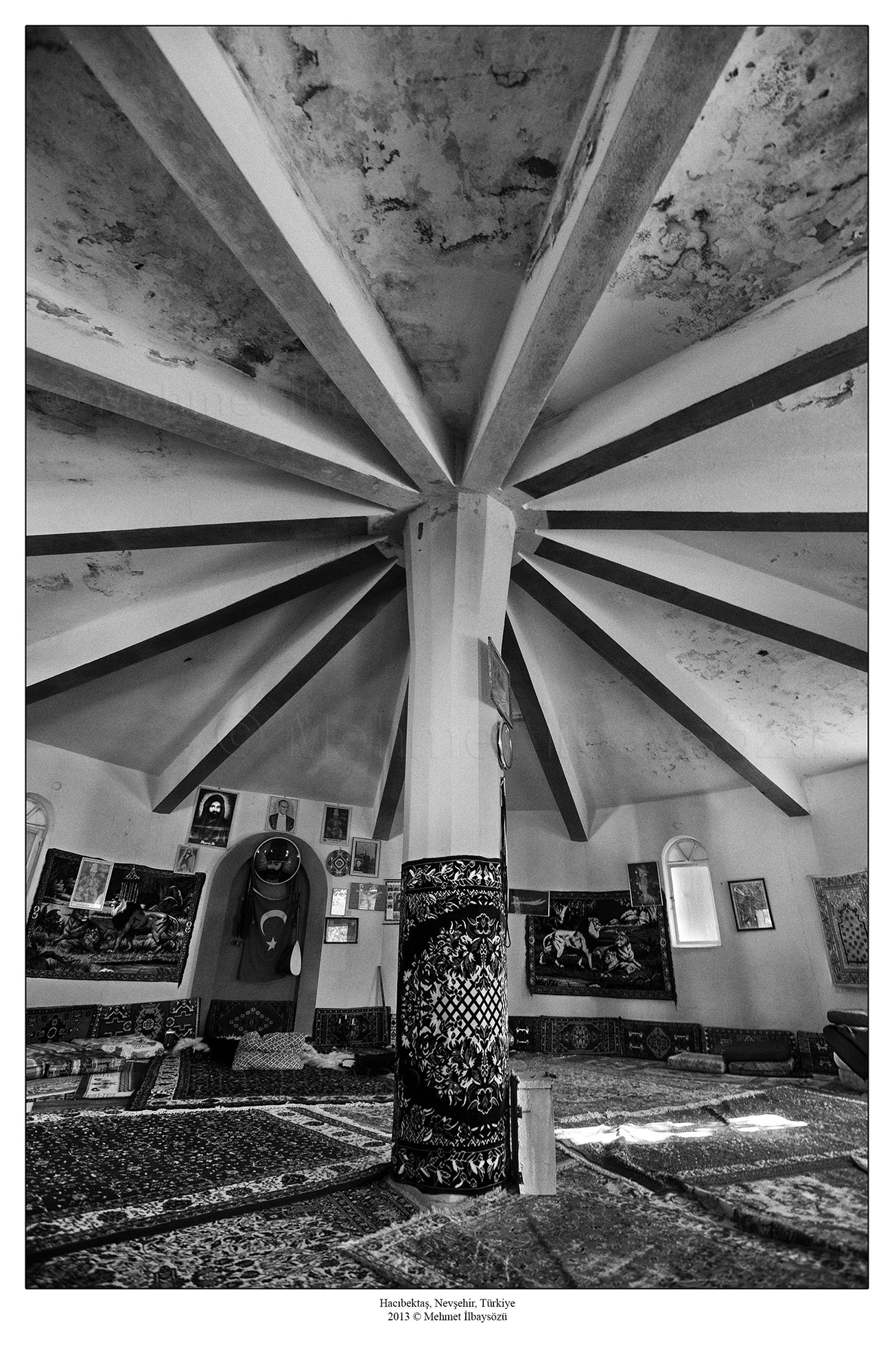
Hünkar (Dergâh) and its door are not a place of worship but a place where the inner voice transforms. Those who, like Hünkar, lay their ego to the ground can take the red banner in their hands and add dem (time) to their vows. Vows without dem are not and cannot be accepted. For the eye of the heart to become a fountain, one must make the moment a moment of dem without falling into doubt. In other words, one must be in supplication at every moment of life.
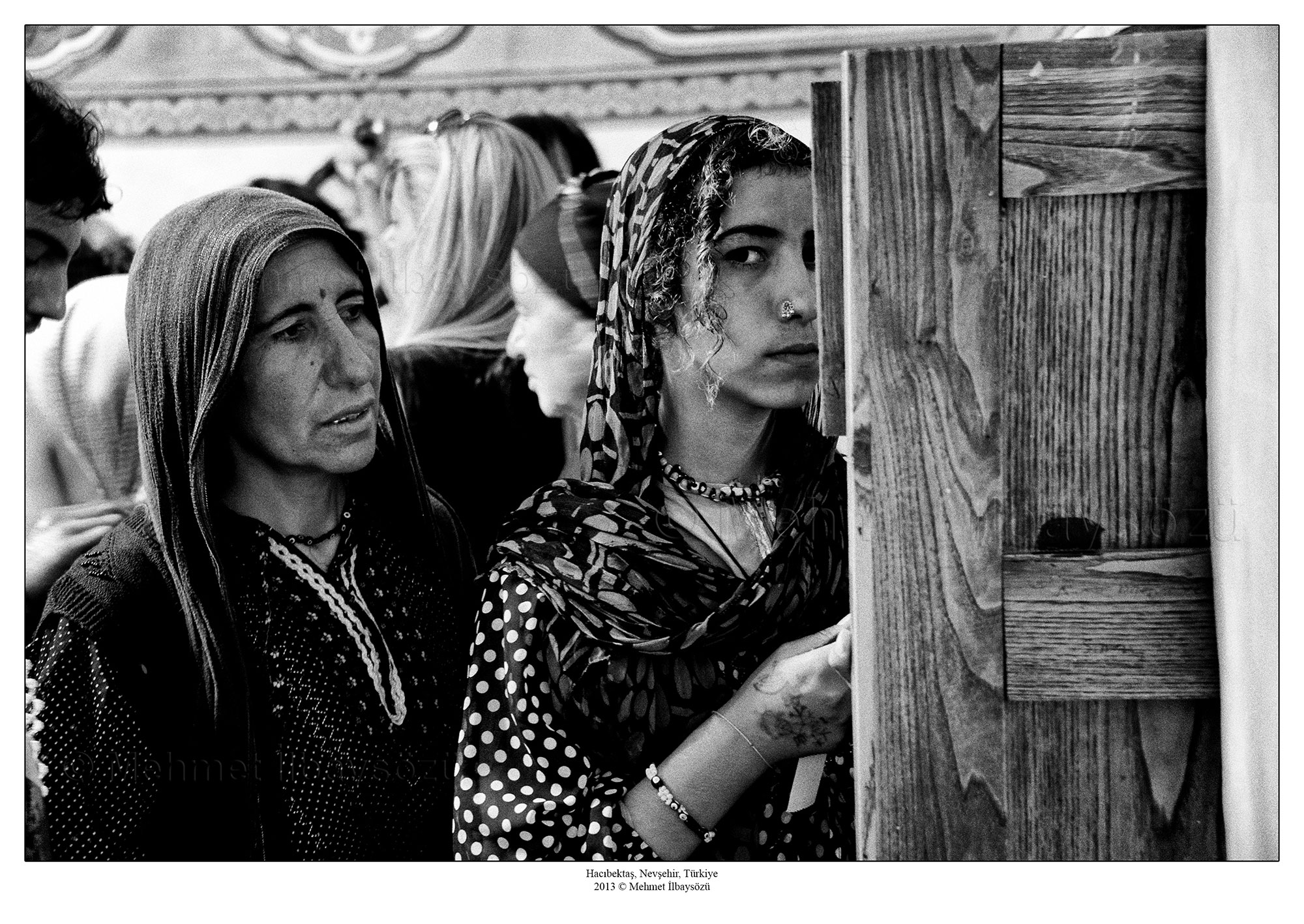
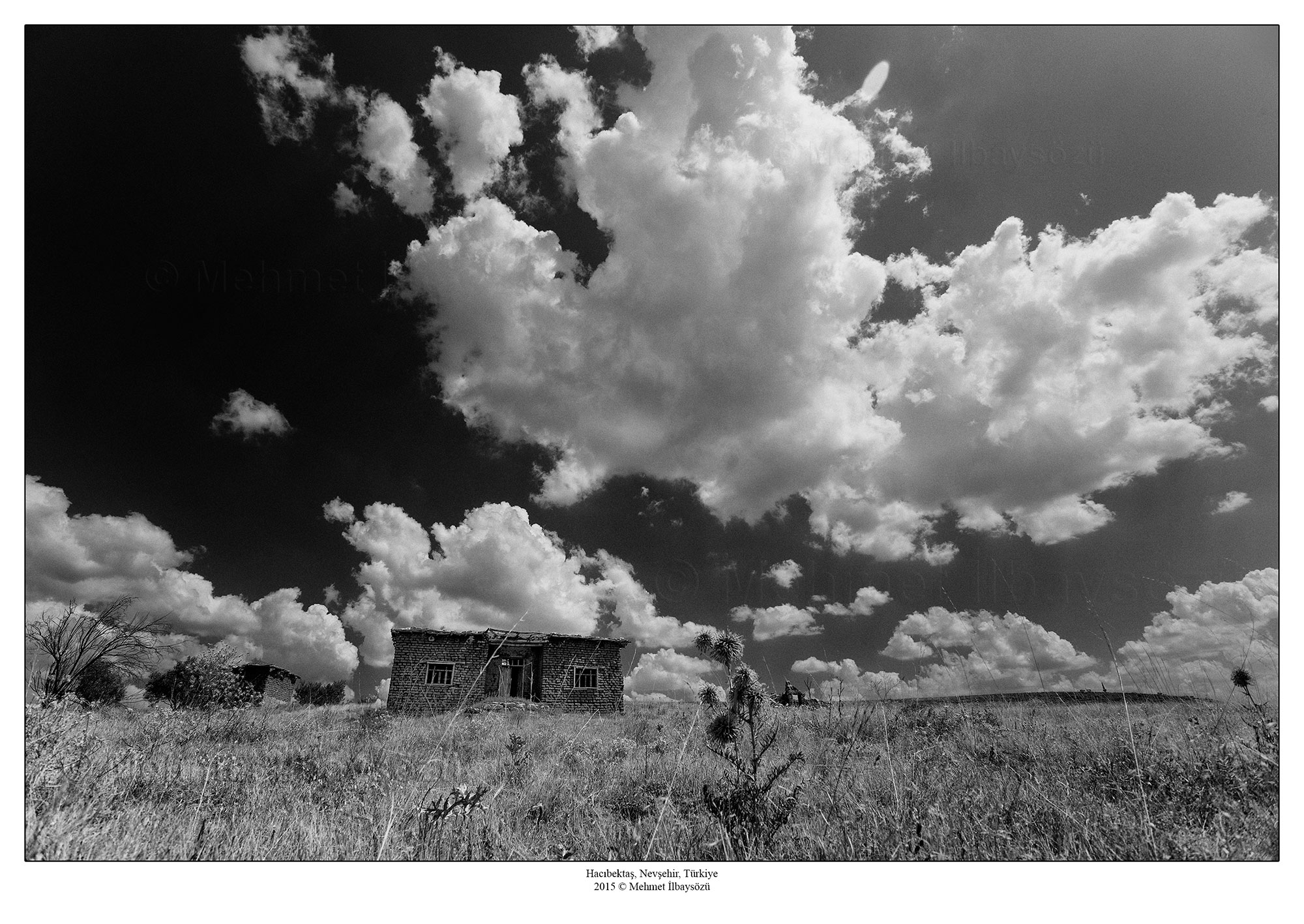
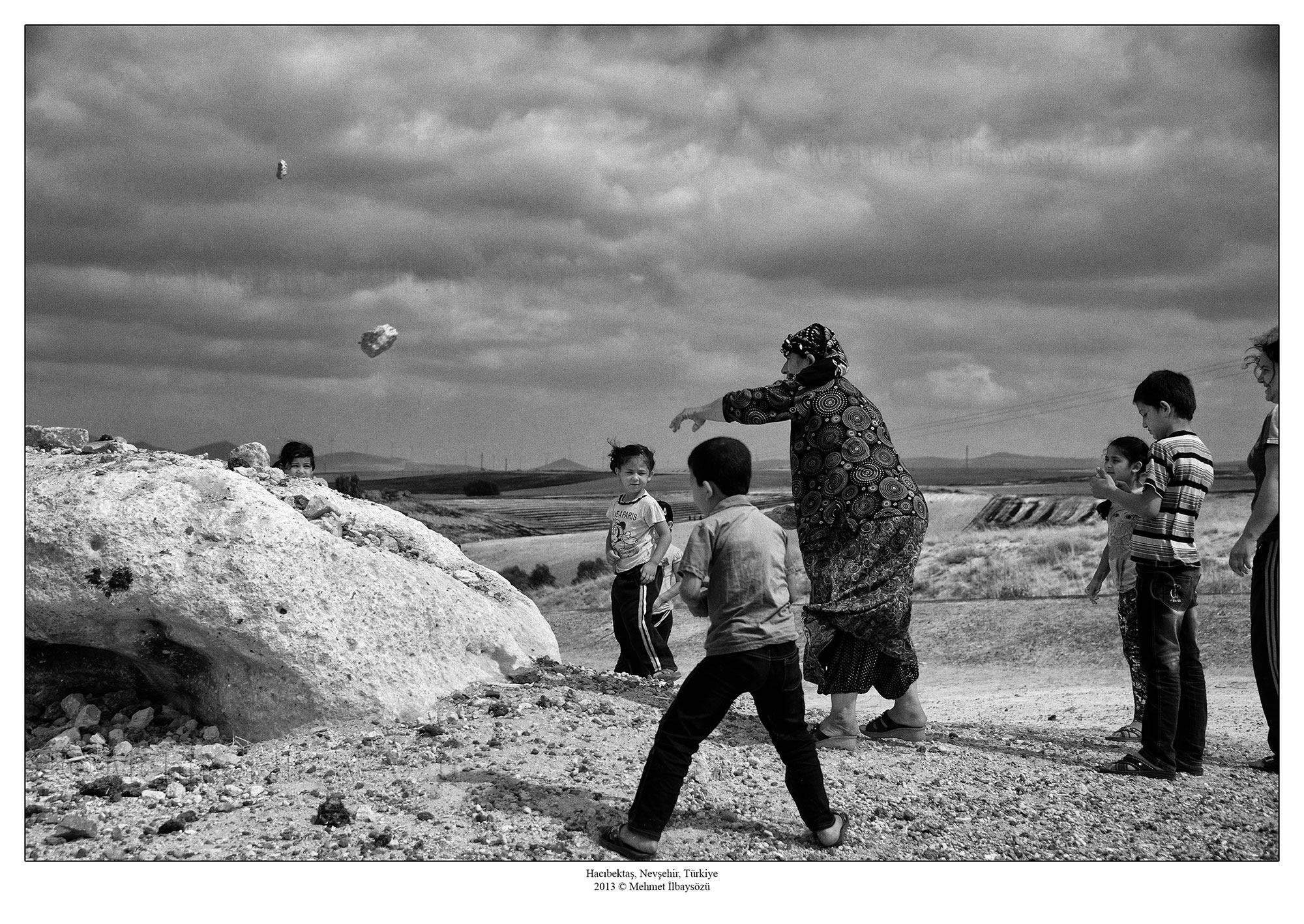
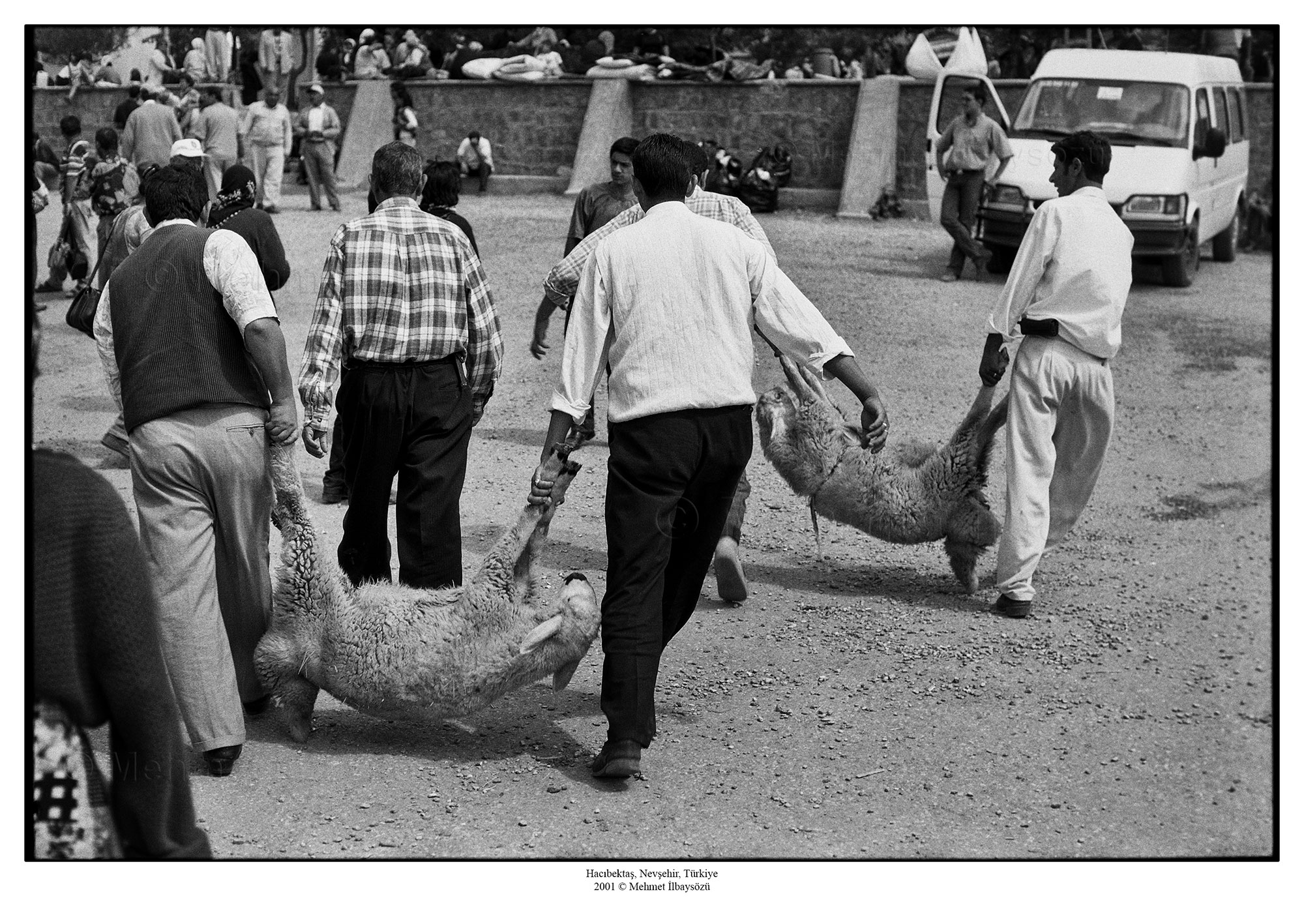
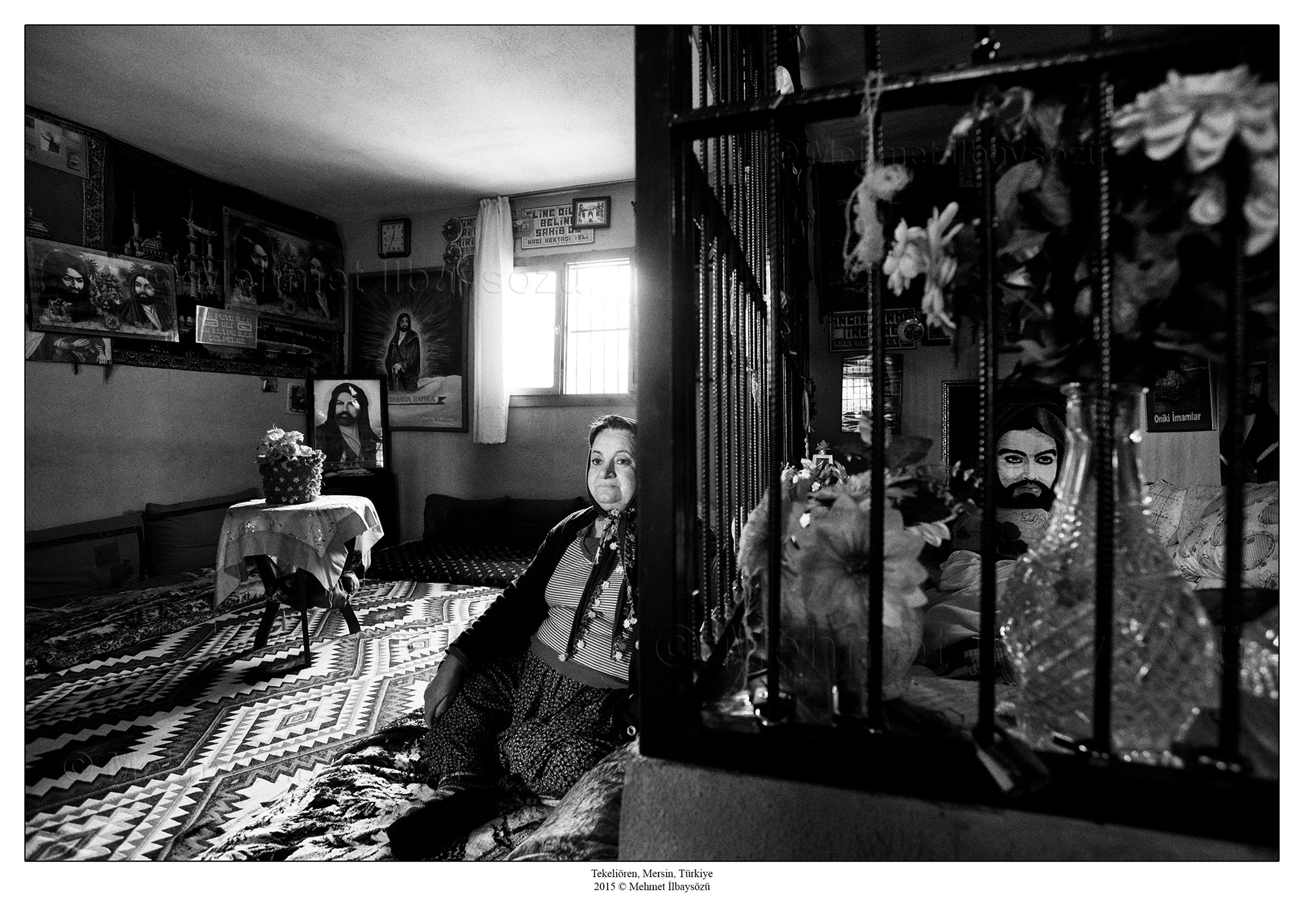
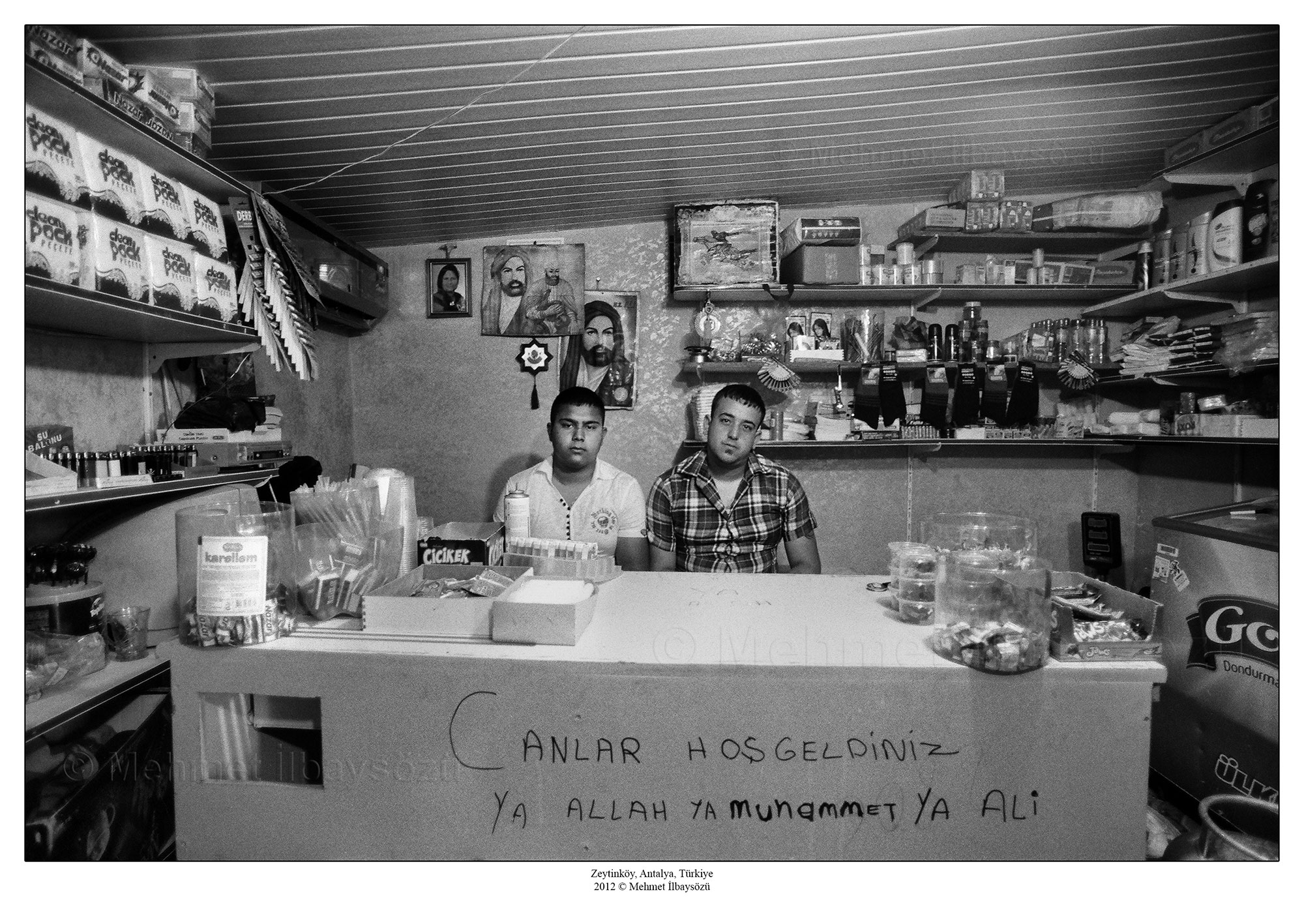
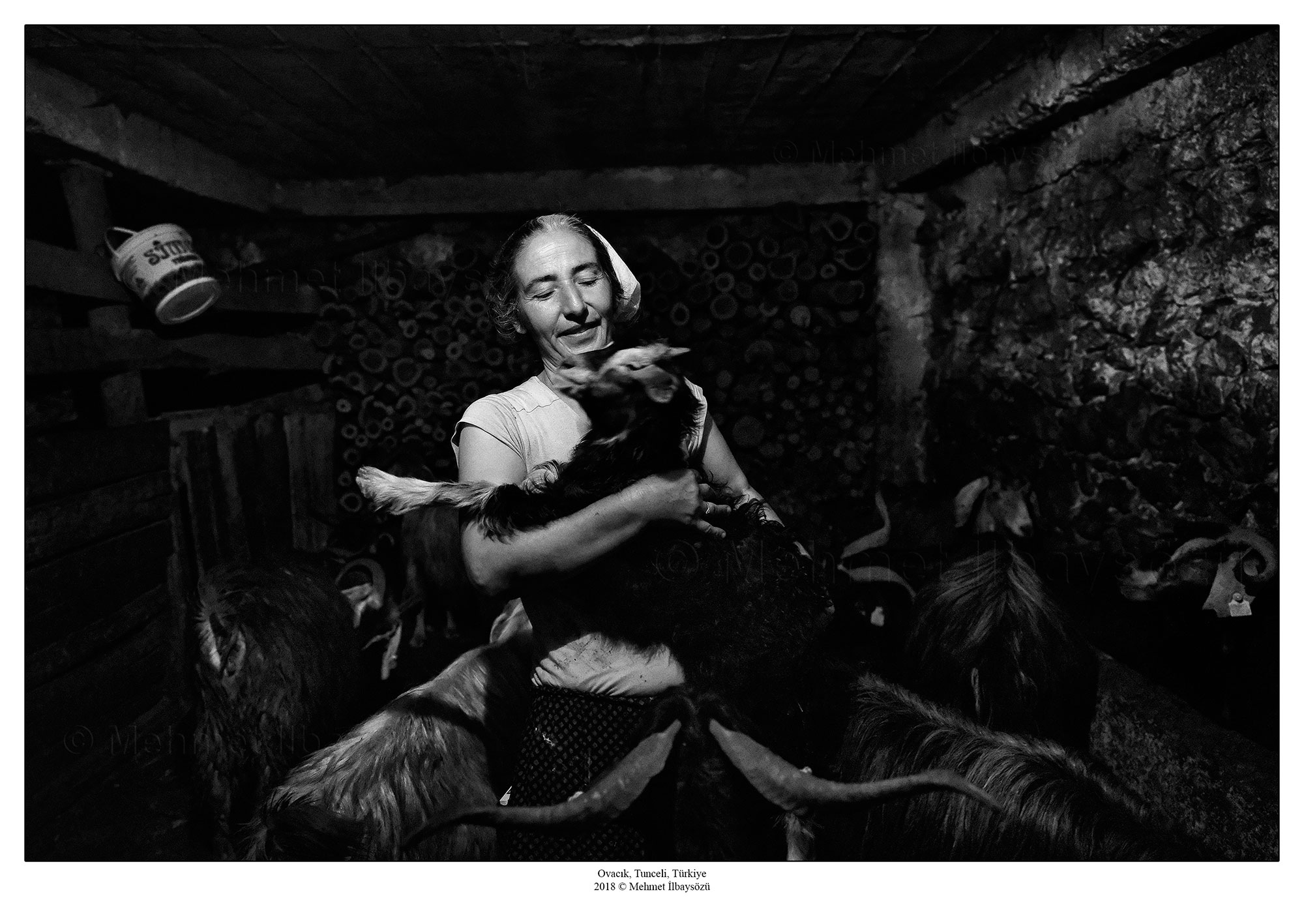
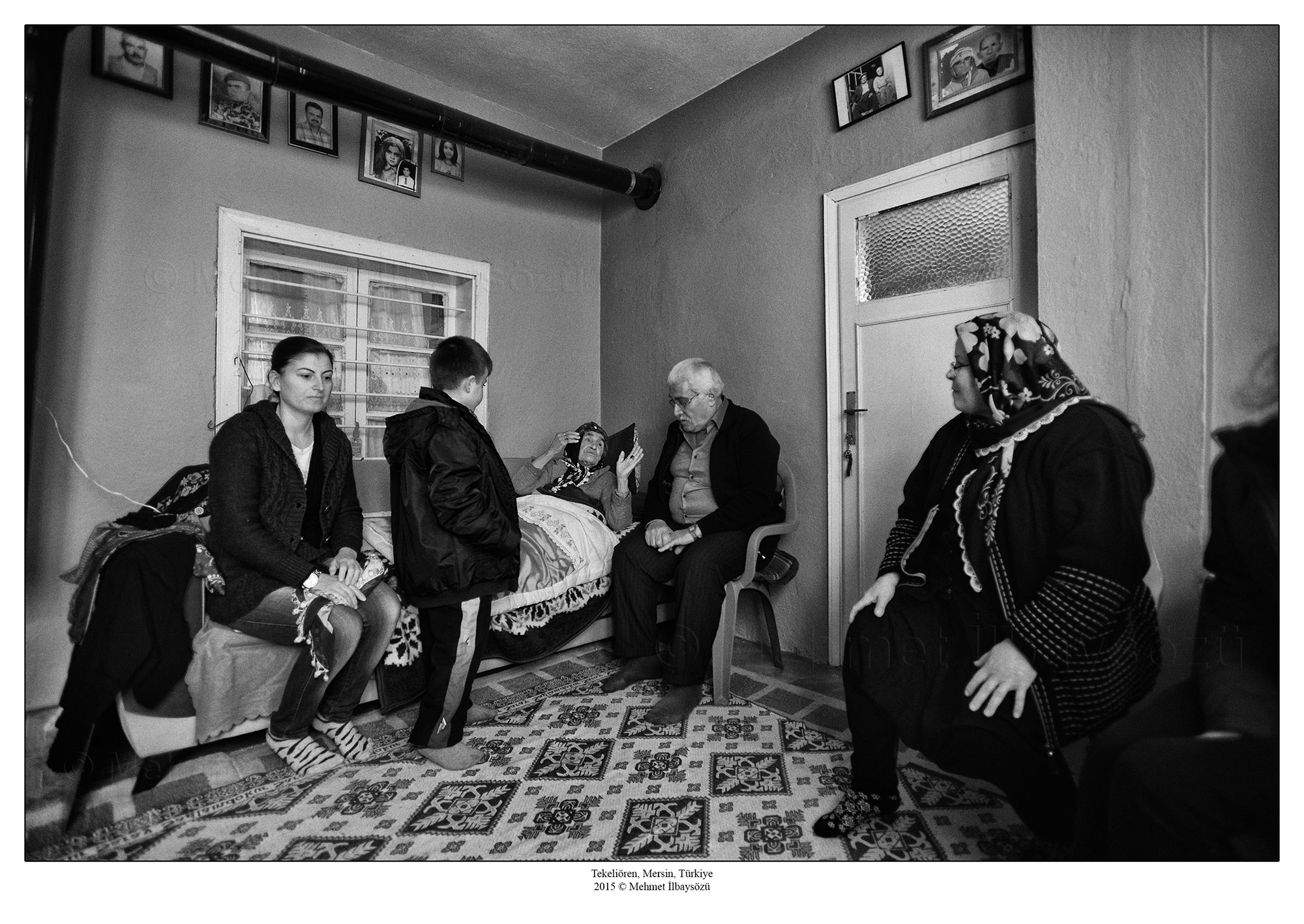
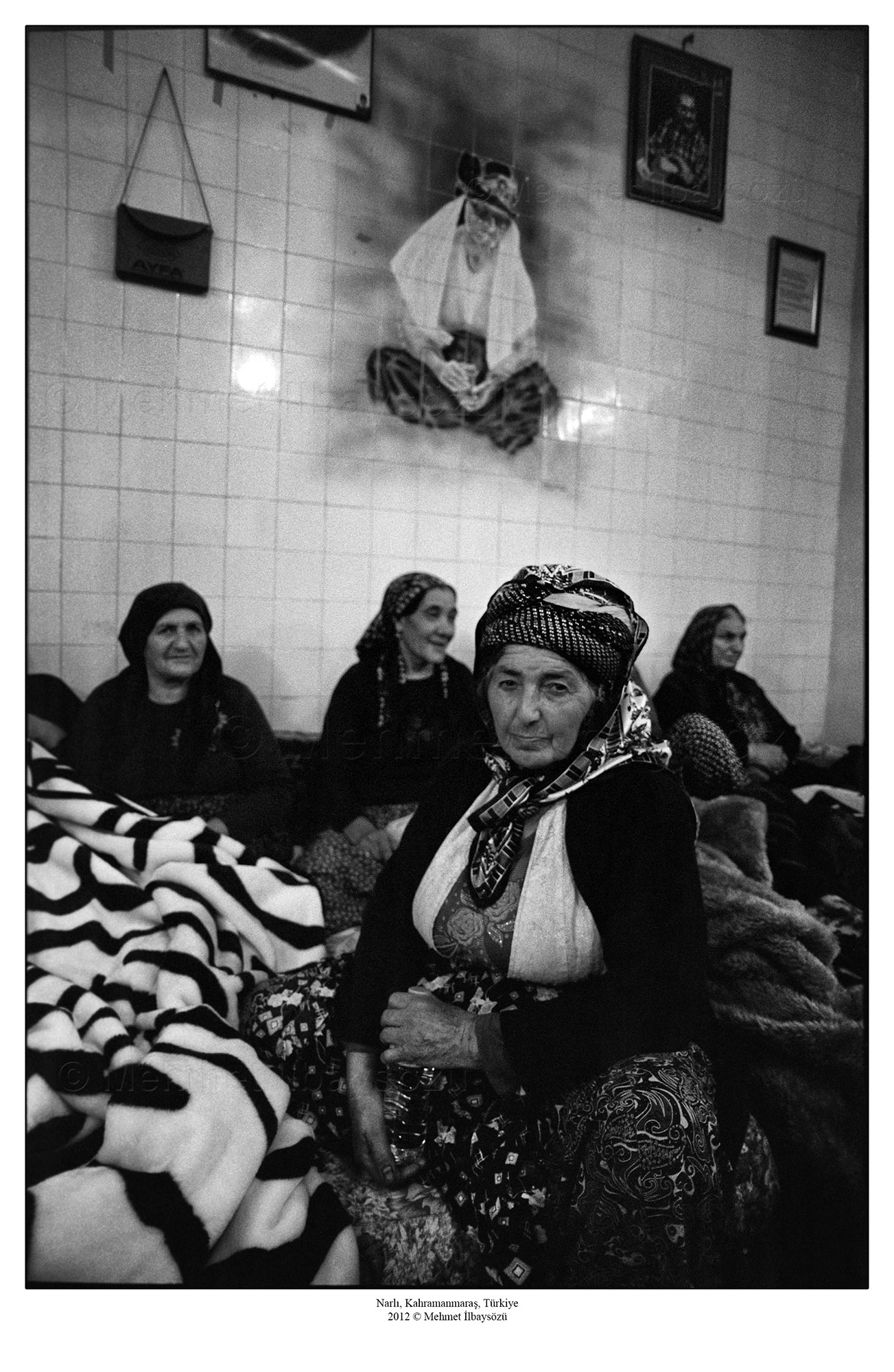
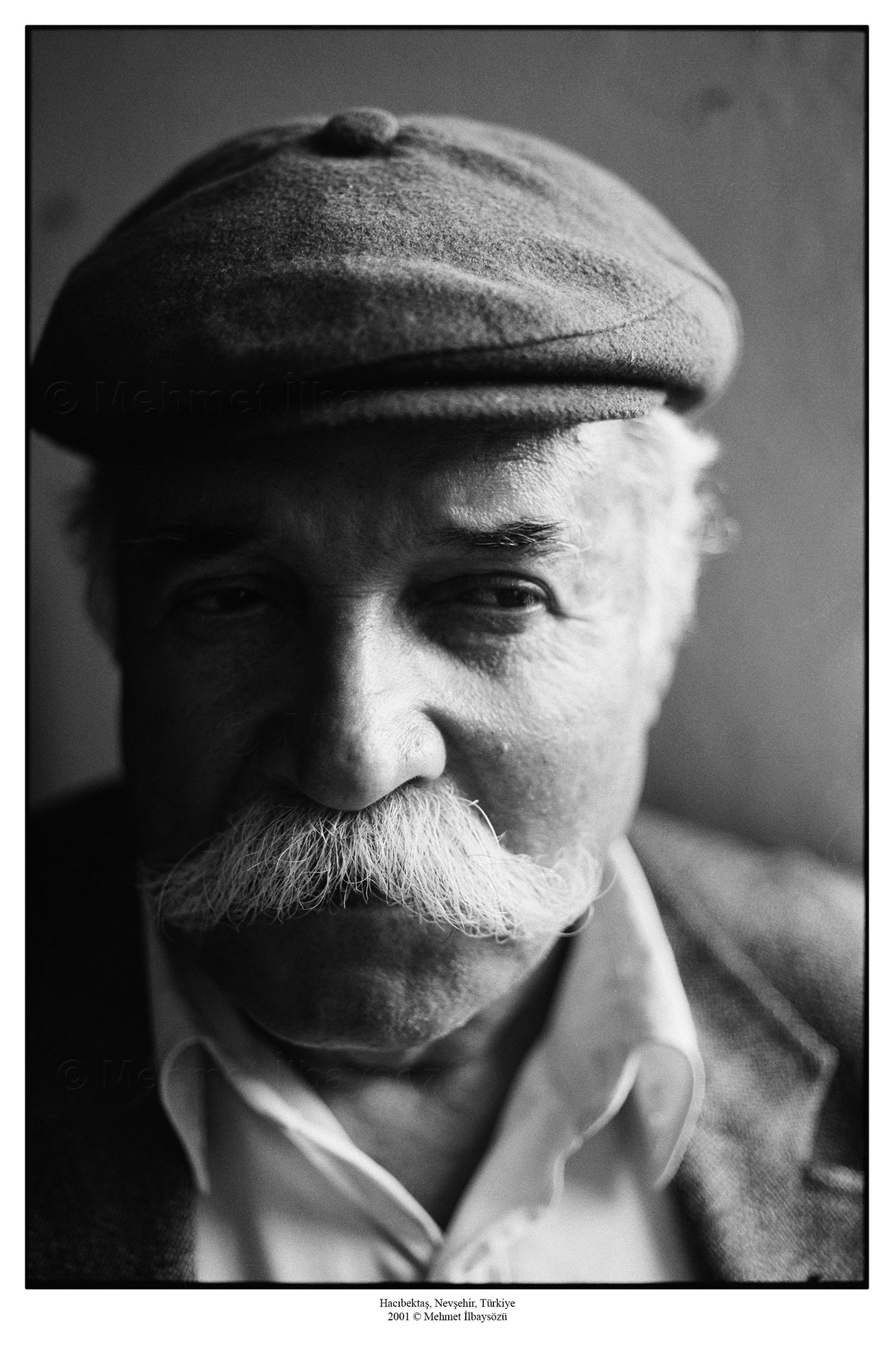
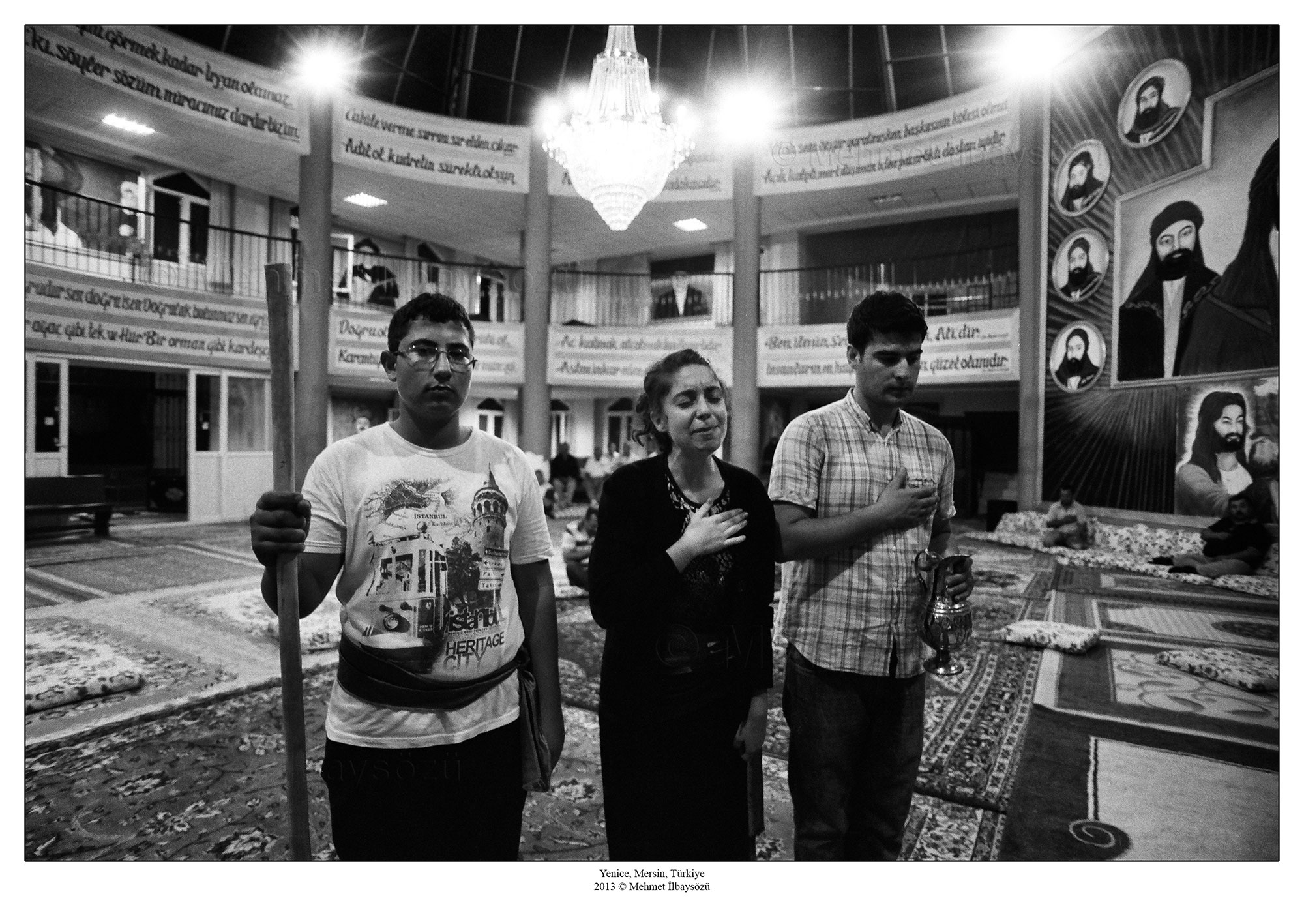
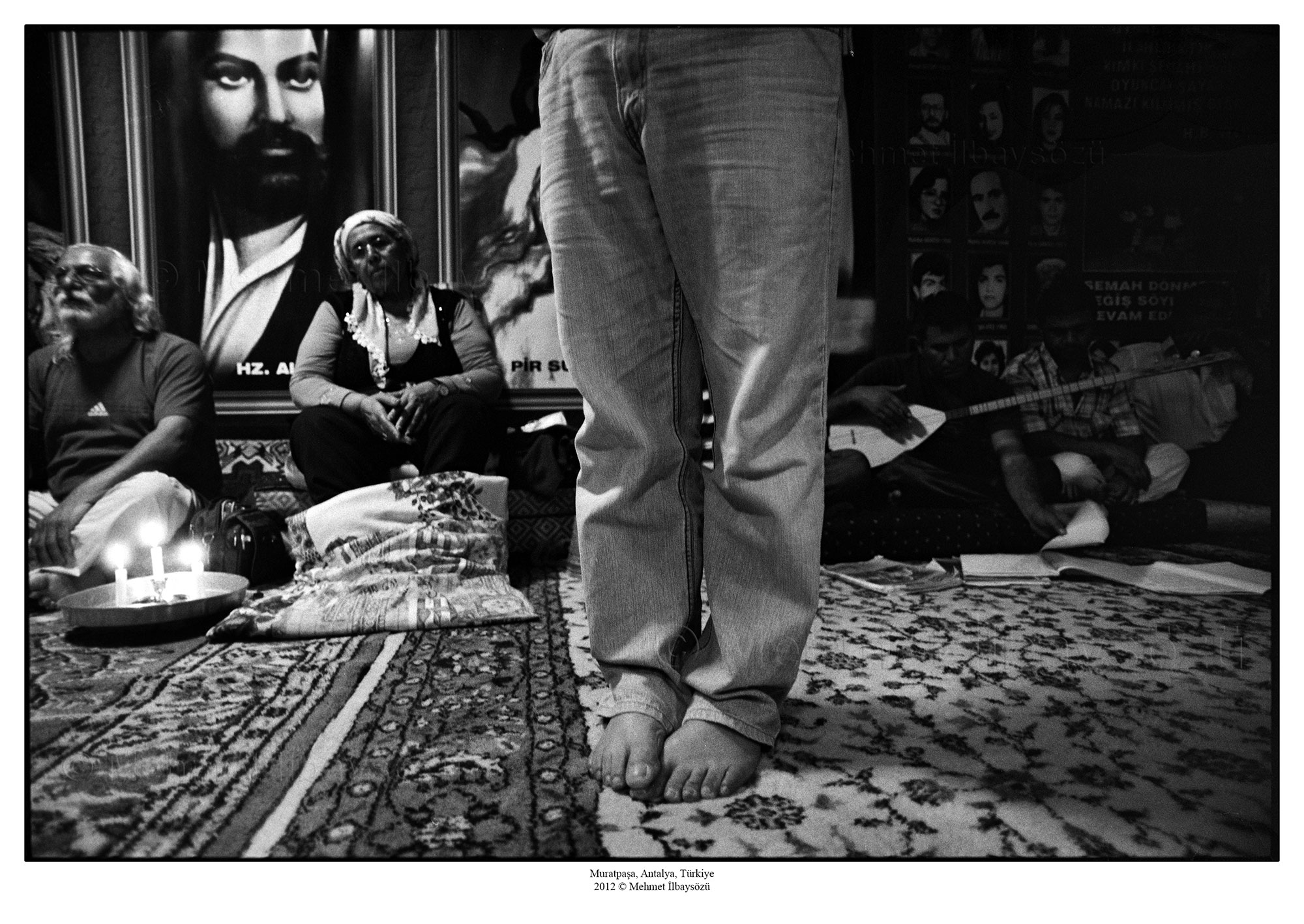
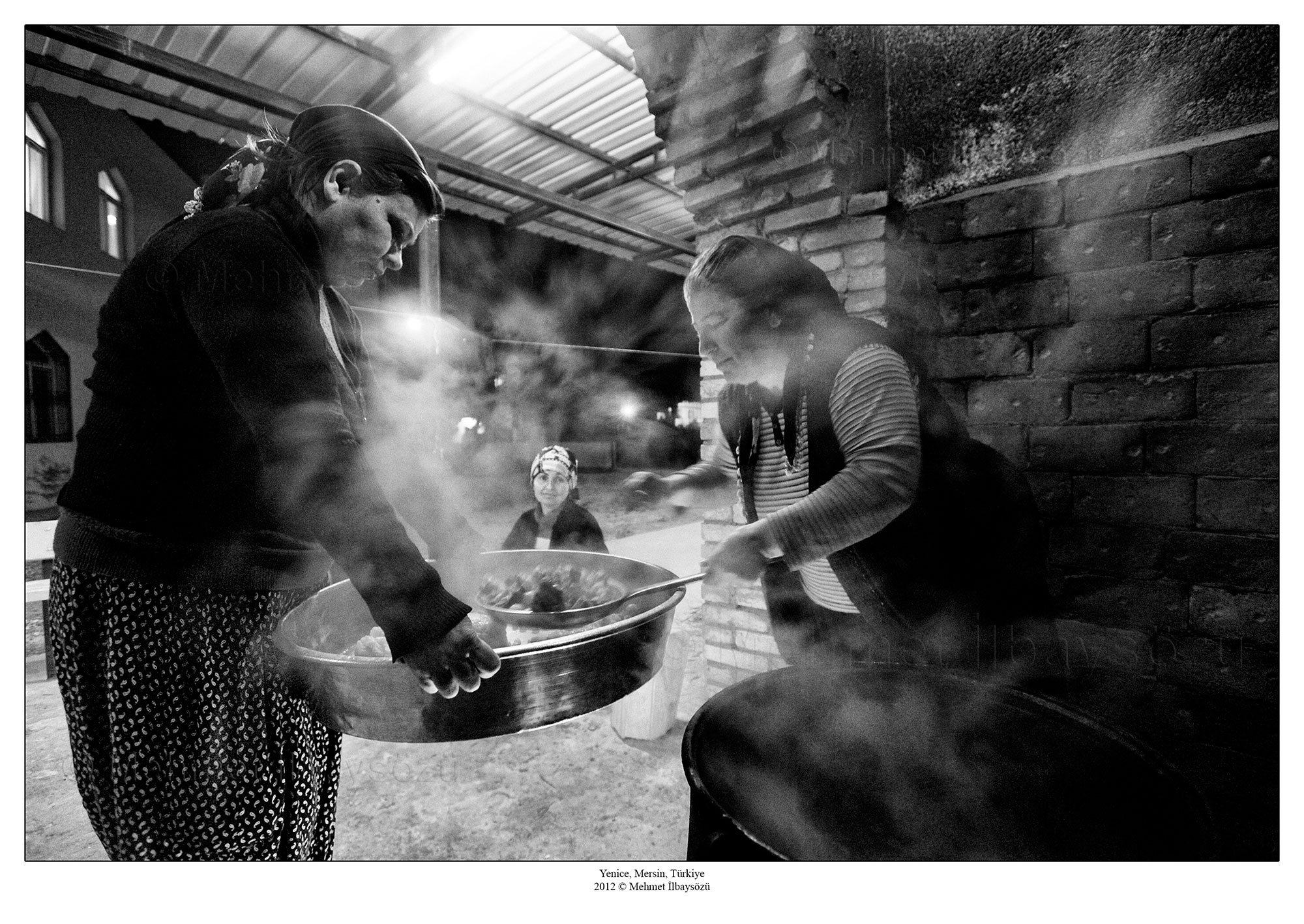
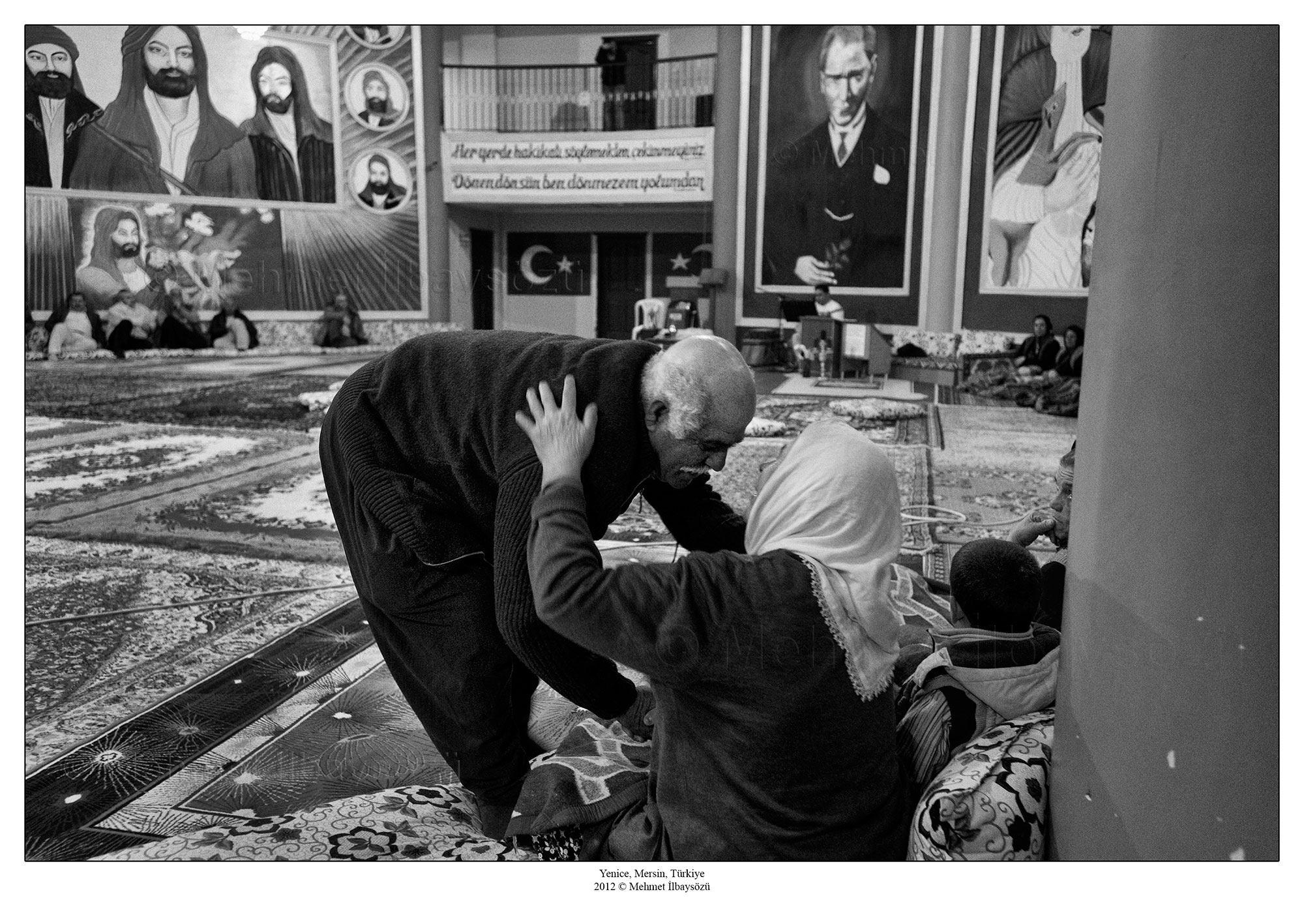
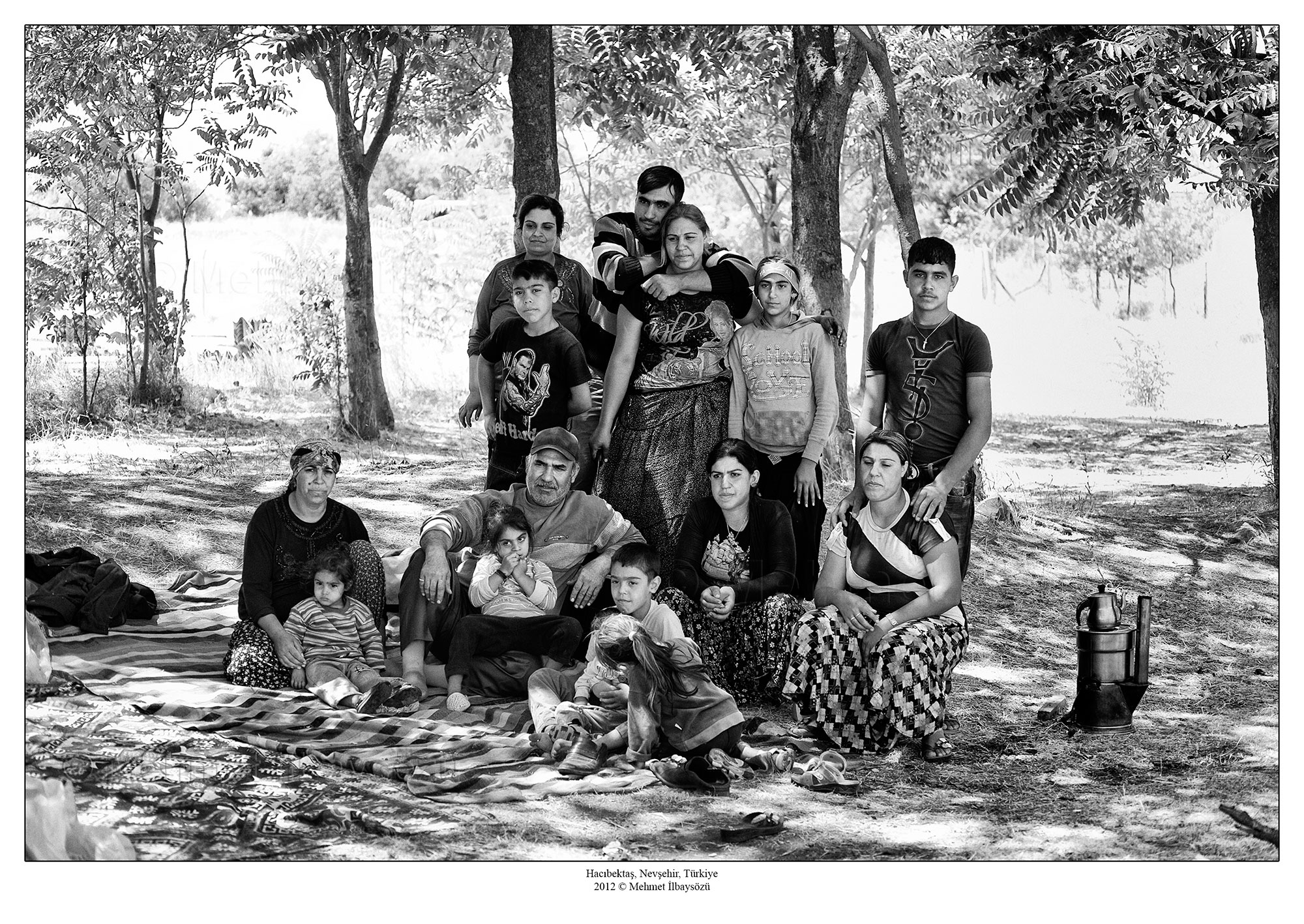
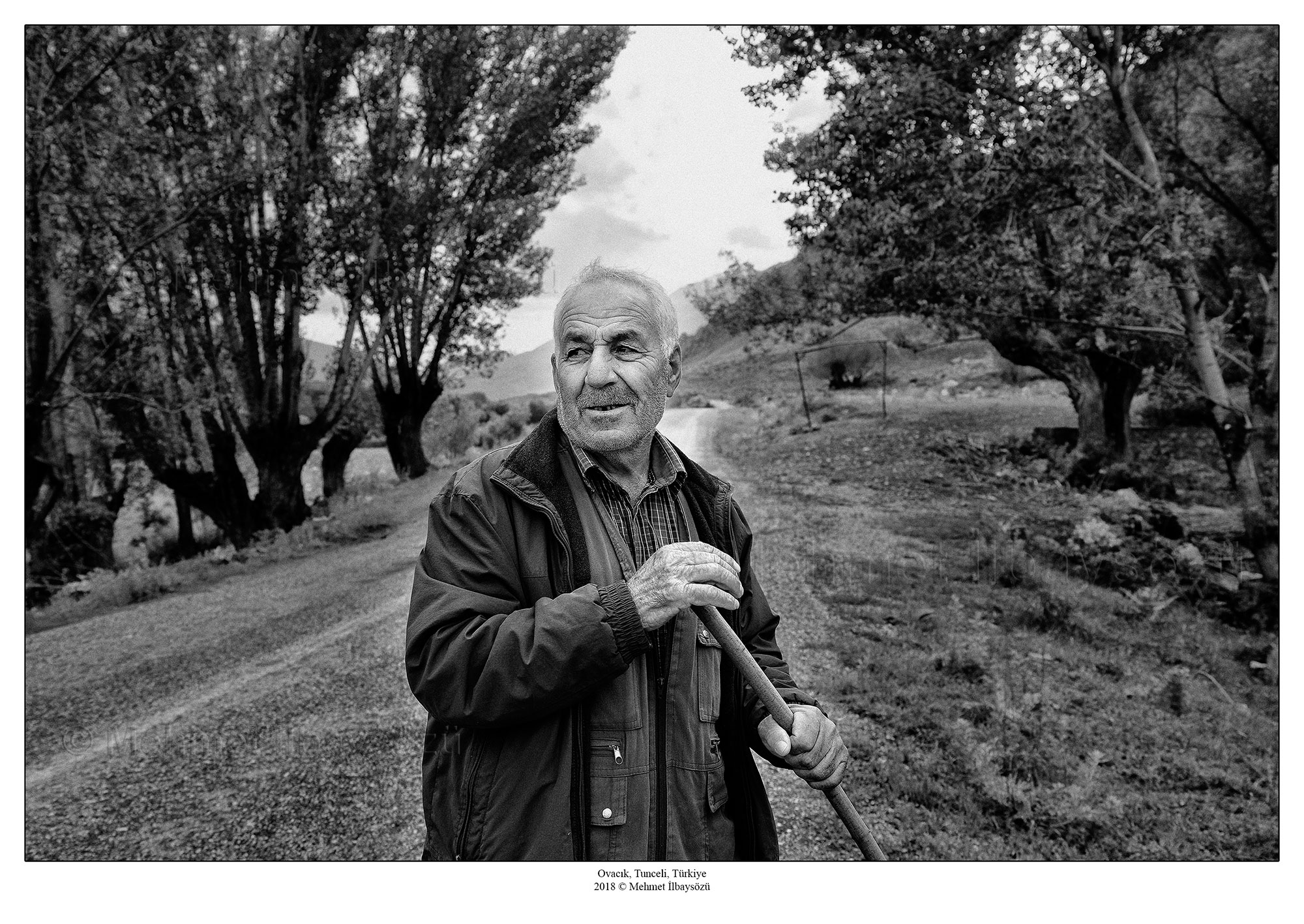
These photographs are moments when the inner darkness of a person is illuminated with the çerağ (sacred light). It is the moment when a soul, no longer needing to hold on, finds Truth within themselves and others.
The unscripted photographs, transformed into a Watcher (one of the services in Alevi rituals, Yol, Cem, and Erkan) through the lens of Mehmet İlbaysözü, whose heart’s eye is as strong as his merit, are the offerings that illuminate what is blurry. This offering is his labor, nourished by his love, sacrificed to his community in the form of images/photographs, through his body and consciousness. Being the voice of the silent and forbidden is not an easy offering. To deserve and offer that requires a wholehearted belief that the labor will come to life.
Now, you will open your eyes and hearts to the labor that is offered from the heart.
May your seeing be eternal, and your hearts steadfast.
Love to those who look and truly see, and to those who know and deeply sense.
La caractéristique la plus significative des communautés qui perpétuent leur vie à travers le son et la lumière des ombres anciennes est leur capacité à porter la charge du temps. Elles sont comme des adorateurs et des suppliants, poursuivant une perception du temps qui semble ne jamais s’être écoulé. Deux portes essentielles à la sagesse alévie sont l’éternité (intemporalité) et l’absence de lieu (lamekân).
Outre le fait de répéter le sens d’appartenance à la communauté, la supplication (niyaz) est l’acte de transporter les valeurs du passé vers le présent, telle une machine à remonter le temps, en y puisant énergie et conscience d’existence. C’est, en réalité, un retour à l’instant existentiel, à l’épreuve du néant, à l’instant originel de l’existence.
Le chemin des saints, dirigé par Hace Bektaş Veli, vu depuis l’Anatolie, progresse sans interruption de la Mésopotamie jusqu’aux profondeurs de l’Asie. La communauté alévie fait partie de celles qui proclament haut et fort leur absence de territoire. Ce sont des gens qui, tout en s’attachant avec amour à leur géographie, ne vivent pas en maîtres de la Vérité. Ils croient plutôt qu’il n’existe pas de tribunal plus grand que la Vérité elle-même. Ainsi, pour s’éloigner parfaitement de l’ego dans la croyance et la culture, et pour atteindre la perfection, ils élèvent leurs voix intérieures à travers les supplications. C’est parce que la porte permettant de s’accrocher à l’absence de lieu, l’éternité et la Vérité est la supplication. Pour cette raison, se tourner vers les terres où les pensées de Hace Bektaş Veli se sont institutionnalisées en croyance et en philosophie, c’est s’orner de cette Existence, de ce néant.
Si les femmes sont absentes de cette Existence, l’univers ne peut pas tourner en semah (une danse sacrée alévie). Puisque cela ne se produira pas et ne peut se produire, lorsque le semah s’écoule des cœurs, les gens courent vers l’androgynie – non pas dans l’opposition entre masculin et féminin, comme dans le Yin et le Yang, mais grâce à une nudéité sans voiles, ressentant que Dieu s’est manifesté en l’être humain.
Ainsi, le voyage du cœur, dans les rituels, touche la corde du bağlama (un instrument à cordes traditionnel) comme une rivière qui s’écoule depuis des temps anciens. La mélodie peut changer, mais la gamme du bağlama reste la même. Cette constance n’est pas une règle rigide mais un principe de vie, une croyance selon laquelle son adoption est une avec les lois et les jugements de l’univers. Être un, c’est voir, dans le cœur, que l’essence de tous les êtres, vivants et inanimés, est la même et unifiée. Le cœur s’accomplit, retourne à son origine, lorsqu’il embrasse l’être humain dans l’unité du semah et du bağlama. Par conséquent :
“Tout l’univers tourne en semah,
Les soleils brûlent d’amour,
Le talent réside dans l’atteinte à l’essence.”
(Aşık Hüdai, 1940-2001)
Le “déplacement du rocher”, par le toucher et le miracle de Hace Bektaş Veli, pourrait étonner les gens, mais ressusciter l’ancien dans la pensée est le produit d’une telle étonnement, d’un tel sentiment primaire de l’existence. Cette pensée et ce sentiment ne concernent pas la croyance en des superstitions ou en la réalité, mais l’espoir et la joie de surmonter les conditions qui accordent la vie à l’humanité en embrassant la connaissance de la Vérité. Le secret de l’humanité est que la supplication, offerte délicatement et amoureusement avec les mains au rocher – comme dans la photographie – éveille ces lumières sacrées (çerağ). Il ne s’agit pas de “s’accrocher à l’ourlet”, mais de s’accrocher à l’ourlet du cœur, s’ouvrant à la sagesse ancienne et à l’océan dans la grandeur humaine.
Une personne doit courir vers son guide avec une connaissance au-delà de la création pour se connaître. Ce guide pourrait être une autre personne, un être inanimé, ou un tezene (médiator) qui frappe la corde du cœur. Ce qui importe, c’est que, par ce voyage, une personne accomplit son propre cycle. La vie est une transformation complète, et les humains sont les yeux qui voient, les oreilles qui entendent, et les langues qui parlent de cette transformation. Dans des communautés comme les Alévis, ces totalités sont conscience et connaissance. La connaissance parmi les Alévis est dem (le temps), et dem est l’instant, l’instant est toujours Existence. C’est la voix des sans-voix, c’est Hünkar, c’est la Vérité.
Hünkar (Dergâh) et sa porte ne sont pas un lieu de culte mais un endroit où la voix intérieure se transforme. Ceux qui, comme Hünkar, déposent leur ego à terre peuvent prendre la bannière rouge dans leurs mains et ajouter dem (le temps) à leurs vœux. Les vœux sans dem ne sont pas et ne peuvent pas être acceptés. Pour que l’œil du cœur devienne une fontaine, il faut faire de l’instant un instant de dem sans tomber dans le doute. Autrement dit, il faut être en supplication à chaque instant de la vie.
Ces photographies sont des moments où l’obscurité intérieure d’une personne s’illumine avec le çerağ (lumière sacrée). C’est l’instant où une âme, n’ayant plus besoin de s’accrocher, trouve la Vérité en elle-même et chez les autres.
Les photographies spontanées, transformées en Guetteur (un des services des rituels alévis, Yol, Cem et Erkan) à travers l’objectif de Mehmet İlbaysözü, dont l’œil du cœur est aussi fort que son mérite, sont les offrandes qui illuminent ce qui est flou. Cette offrande est son labeur, nourri par son amour, sacrifié à sa communauté sous forme d’images/photographies, par son corps et sa conscience. Être la voix des sans-voix et des interdits n’est pas une offrande facile. Pour mériter et offrir cela, il faut une croyance sincère que ce labeur prendra vie.
Maintenant, vous ouvrirez vos yeux et vos cœurs à ce labeur offert du cœur.
Que votre vision soit éternelle et vos cœurs inébranlables.
Amour à ceux qui regardent et voient réellement, et à ceux qui savent et ressentent profondément.
Kadim gölgelerin sesi ve ışığıyla yaşamını devam ettiren toplulukların en önemli özelliği zamanın yükünü taşımalarıdır. Onlar sanki hiç geçmemiş bir zaman algısının peşinde kutsalın içicisi ve niyazcısıdır. Alevi bilgeliğinin iki önemli kapısından birisi zamansızlık, ikincisi ise mekansızlıktır (lamekân).
Niyaz toplumun aidiyet duygusunu tekrarlama yanında değerlerini geçmişten bu ana, zaman makinası ile taşımak, ondaki enerjiyi, varlık bilincini çekmektir. Bu aslında Varoluşsal ana yani hiçliğin darına, ilk ana durmaktır.
Hace Bektaş Veli’nin öncüsü olduğu erenler katarı, Anadolu topraklarından baktığımızda kesintisiz olarak Mezopotamya’dan Asya’nın içlerine doğru yolculuk eder. Alevi toplumu topraksızlığı tüm insanlara kanırtarak bağıran topluluklar arasındadır. Coğrafyasına sıkı sıkı sarılmayı seven ancak dünyayı Hakikat’in efendileri gibi yaşamayan insanlar topluluğudur. Onlar Hakikat’e efendi olmayı değil, Hakikat’ten daha büyük bir divan olmadığını düşünürler. O nedenle inançta ve kültürde kusursuz biçimde benlikten uzaklaşmak, kâmil olmak için iç seslerini niyazlarla yükseltirler. Çünkü mekansızlığa, zamansızlığa ve Hakikat’e tutunmanın kapısı niyazdır. İşte o nedenle Hace Bektaş Veli düşüncesinin inanç ve felsefe olarak kuramsallaştığı topraklara niyaz etmek o Varoluş’a, hiçliğe don olmaktır.
Kadın o Varoluş’ta eksik olursa, evrenin semah dönmesi mümkün olmaz. Olmayacağı/olamayacağı içinde, gönüllerden semah aktığında, canlar içlerindeki senfoniyi, coşkuyu erkek ve dişi karşıtlığı içinde yani ying ve yang biçiminde değil de örtüsüz bir çıplaklıkla, Hakk’ın insanda suret oluşturduğunu hissederek cinsiyetsizliğe koşarlar.
Gönül yolculuğu, o nedenle erkânlarda, kadimden akan bir ırmak gibi bağlamanın teline dokunur. Bağlamada melodi değişir ancak, bağlamanın saz aralığı değişmez. O değişmezlik katı bir kural değil, yaşam ilkesinin sahiplenilmesinin evrenin yasalarıyla, hükmüyle bir olduğu düşüncesidir. Bir olmak canlı cansız varlığın özüyle aynı ve bir olduğunu gönülde görmektir. Gönül en yüksek had olarak semah ve bağlamanın birlikteliğinde insanı içine aldığında tamamlanır, aslına döner. O nedenle:
“Bütün evren semah döner
Aşkından güneşler yanar
Aslına ermektir hüner.”
(Aşık Hüdai 1940-2001)
Hâce Bektaş Veli’ni elinin değmesiyle, kerametiyle, mitolojik bir ifadeyle “kayanın yürümesi”, insana hayretlik verse de işte düşüncede kadimi canlandırmak böylesi bir hayretin, ana taşınmanın, hissin ürünüdür. Bu düşün ve duygu hurafeye ya da gerçekliğe inanmak değil, Hakikat’in bilgisini sahiplenerek insana can katan koşulsuzluğu yenme umudu ve sevinci hissidir. İnsanın sırrı o çerağları uyandırdığı -fotoğraftaki gibi-, nazikçe ve sevgiyle elleriyle kayaya sunulan, bırakılan niyazıdır. “El-eteğe tutunmak” değil, gönül eteğine tutunmak insandaki yüceliğin ve aynı zamanda bilgeliğin kadime, deryasına açılmaktır.
İnsan kendini bilmek için hilkatsız bir bilişle rehberine koşmalı. Bu rehber insan olabilir, cansız bir varlık olabilir ya da gönül teline vuran bir tezene olabilir. Önemli olan bu yürüyüşle insanın kendi devriyesini tamamlamasıdır. Hayat bir bütün dönüşümdür, insan ise o dönüşümün gören gözü, işiten kulağı ve sese gelen dilidir. Bunların bütünü bilinç, Aleviler gibi topluluklarda için ise bilgidir. Bilgi Alevilerde demdir. Dem ise andır, An her daim Varoluş’tur: Sessizlerin sesidir, Hünkâr’dır, Hak’tır.
Hünkâr (Dergâh) ve kapısı tapım değil, iç sesin dönüşme yeridir. Hünkârla benliğini toprağa seren can kızıl sancağı eline alabilir ve ikrarına dem katabilir. Demsiz ikrar alınmaz, alınamaz. Gönül gözünün çeşm olabilmesi için gümana düşmeden demi dem eylemeli yani hayatın her anında niyazda olunmalıdır.
İşte bu fotoğraflar insanın içindeki karanlığın aydınlığa çeragla faş olduğu anlardır. Tutunmaya haceti kalmamış canın Hakk’ı kendinde, canlarda bulmasıdır.
Liyakati gönül göz kadar güçlü Mehmet İlbaysözü’nün objektifinde süssüz ve anda Gözcü’ye (Alevilikte, Yol, Cem ve erkan hizmetlerinden birisi) dönüşmüş fotoğrafları puslu olanı aydınlatmayı sağlayan lokmalarıdır. Bu lokma, onun sevgisiyle beslediği emeğini toplumuna bedeniyle, bilinciyle görüntü/fotoğraf biçiminde kurban etmesidir. Suskun ve yasaklı olanın dili olmak öyle kolay bir lokma değildir. O lokmayı hak etmek ve sunabilmek için emeğin can bulacağına gönülden inanmak gerek.
Şimdi o gönülden sunulan emeğe aralayacaksınız gözlerinizi, gönüllerinizi.
Görmeleriniz daim olsun, gönüllerinin kaim olsun.
Bakıp da görene, bilip de sezene aşk olsun.








2000-2018 © Mehmet İlbaysözü
All rights reserved. Photographs and text may not be copied, reproduced or distributed without the written permission of the owner.
Her hakkı saklıdır. Fotoğraflar ve yazılar, eser sahibinin yazılı izni olmadan kopyalanamaz, çoğaltılamaz veya dağıtılamaz.
 Mehmet İlbaysözü